
Wisdom teeth: do they always need removing?
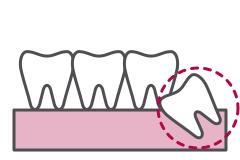
Wisdom teeth: when they should come out, how an extraction works and how long recovery takes. Advice from Dr Le Moing, dentist in Noumea.
Read the article
Some situations call for a minor surgical procedure: removing a tooth that is too damaged, a badly positioned wisdom tooth, or preparing for an implant. These procedures are carried out at the practice under local anaesthetic.
Good to know, after an extraction:
No. A well-positioned wisdom tooth that is easy to clean can stay. It is only removed if it causes, or is likely to cause, a problem.
Usually a few days: some swelling and discomfort that gradually ease. For wisdom teeth, plan one or two days of rest.
If bleeding doesn’t stop despite pressure, if you have a fever, or if pain increases after the third day.
Wisdom teeth: when they should come out, how an extraction works and how long recovery takes. Advice from Dr Le Moing, dentist in Noumea.
Read the article