Bleeding gums: the causes and when to see a dentist
Gums that bleed when you brush: gingivitis, periodontitis, common causes, good habits and when to see a dentist. Advice from Dr Le Moing, Noumea.
Read the article
Periodontics treats the gums and the bone that hold your teeth in place. Healthy gums are the basis of a healthy mouth, and a prerequisite for most other treatments, such as implants.
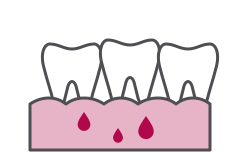
These signs may point to gingivitis (inflammation of the gums) or periodontitis (loss of the bone supporting the teeth). Caught early, gingivitis responds well to treatment.
Tartar builds up even with good brushing. A scale and clean at the practice, using ultrasound, removes it above and just below the gum line. It is followed by polishing. It is recommended at least once a year, sometimes more often depending on your situation.
Good to know: smoking and poorly controlled diabetes encourage gum disease. Conversely, healthy gums contribute to your overall health.
No. A scale and clean removes tartar, not enamel. Some temporary sensitivity may follow, especially if there was a lot of tartar.
No, quite the opposite: keep brushing gently with a soft toothbrush, and book a consultation. Bleeding is a sign of inflammation that needs treatment.
It can be stabilised very well with treatment and regular maintenance. Bone that has been lost does not grow back on its own, which is why it is worth acting early.
At least once a year for most people. With gum disease, the frequency is adjusted, often every 3 to 6 months.
Gums that bleed when you brush: gingivitis, periodontitis, common causes, good habits and when to see a dentist. Advice from Dr Le Moing, Noumea.
Read the articleToothbrush, toothpaste, technique and interdental brushes: the right daily habits for healthy teeth and gums, from Dr Le Moing, dentist in Noumea.
Read the article